Tweed
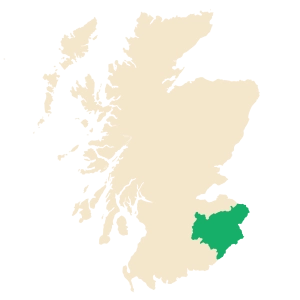
Tweed, English / Scottish borders
The Tweed catchment, spanning Scottish Borders and North Northumberland, includes both high-value agricultural areas in the east and extensive marginal hill sheep country in the uplands. The area is a significant source of raw ingredients for the food sector, with many crops sourced within a 40-mile radius of local processors. Known for its relatively dry climate and fertile soils, which produce high-quality barley and wheat, suitable for malting and milling.
The wildlife and landscape of the River Tweed and its tributaries are protected as a Site of Special Scientific Interest (SSSI) and Special Area of Conservation (SAC).
The Tweed is perhaps best known internationally for salmon fishing and is a popular river with anglers throughout the season. Home to a variety of fish species, the river’s water quality and diverse ecosystem make it an ideal breeding and spawning ground.
Intensive land use in certain areas, coupled with deforestation and river modifications, has led to increased flood risk, water pollution, and soil degradation. LENs investment in this region will target flood resilience through floodplain reconnection, riparian afforestation, and soil health regeneration.
Key national stakeholders have identified the need for catchment-scale interventions to reduce nitrate and phosphate loading, improve drinking water quality, and prevent algal blooms. LENs will enable landowners to implement buffer strips, cover cropping, and potentially agroforestry solutions, reducing sedimentation and enhancing habitat corridors for wading birds, otters, and aquatic invertebrates.
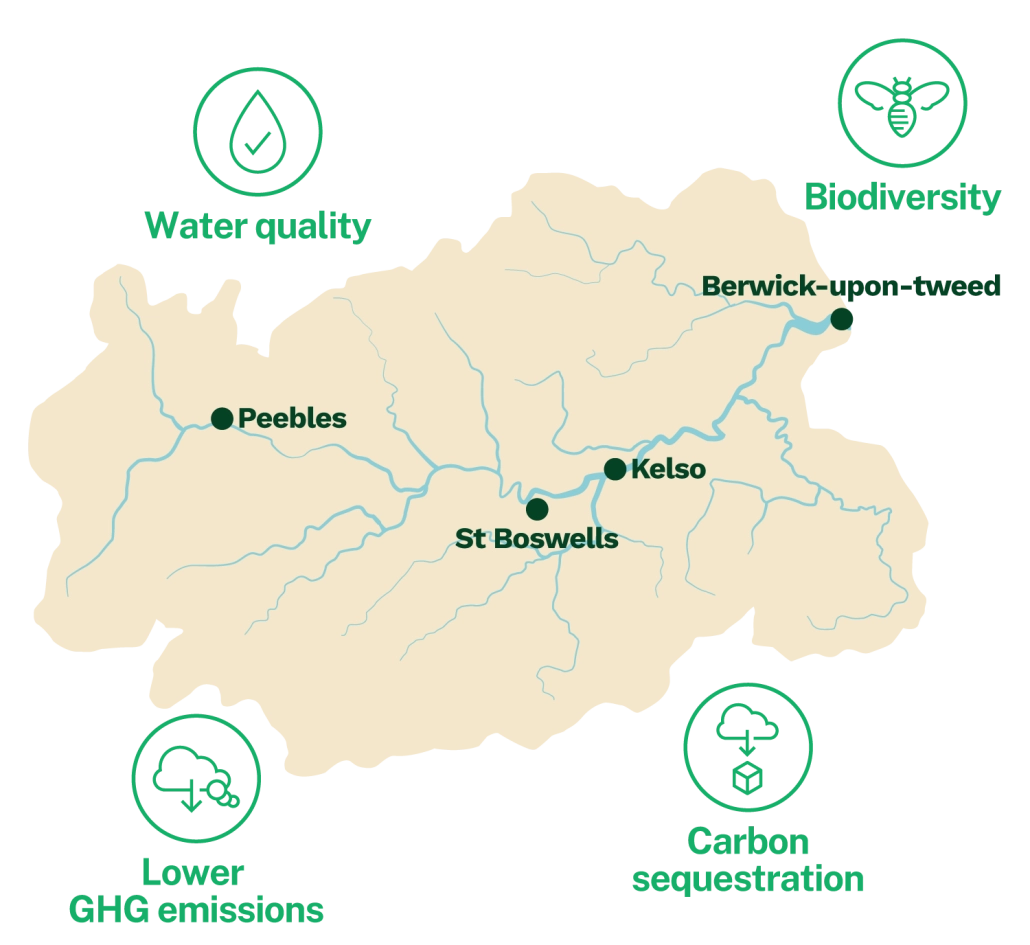
Focusing on the lower catchment area, Tweed LENs partners are aiming for:
- Emissions reductions
- Improved water quality
- Improving biodiversity
- Reducing diffuse pollution in the fell sandstone aquifer outside Berwick Upon Tweed
2026 is the first year of trading. With Northumbrian Water, Diageo, South of Scotland Enterprise, Scottish Borders Council coming together to fund a range of regenerative agriculture practices, we hope to bring 10 farms into the programme, positively impacting circa 800 hectares. Our local partners, Tweed Forum and Grounded Agronomy are essential to the success of this place-based programme. They will help us deliver value for money for funders, practical guidance to farmers, and tailor benefits to local landscapes and communities.
To learn more or get involved, please use our contact form here
At a glance
Where Scottish Borders and North Northumberland
Who Northumbrian Water, Diageo, South of Scotland Enterprise, Scottish Borders Council
What Emissions reductions; improved water quality (reducing pollution); biodiversity improvements; farmer innovation and training
Download the East of England factfile here for more information.