The great divide: navigating the glyphosate vs. inversion debate
By Chantal Brown
I started the year at the Oxford Real Farming Conference (ORFC), and after a few years away, I noticed an increasingly polarised gap between organic and regenerative systems. It felt like the choice between glyphosate and soil inversion has become the primary wedge driving this divide, despite both groups aligning on many of the other fundamental principles.
One of the most talked-about sessions was “Resistance and Renewal: A Debate on Glyphosate.” Regardless of where you stand, I’d encourage everyone to give it a listen. The panel was diverse, the expertise was deep, and the arguments were incredibly compelling.
Listen here: ORFC Session: Resistance and Renewal
Efficiency and reduction: the middle ground
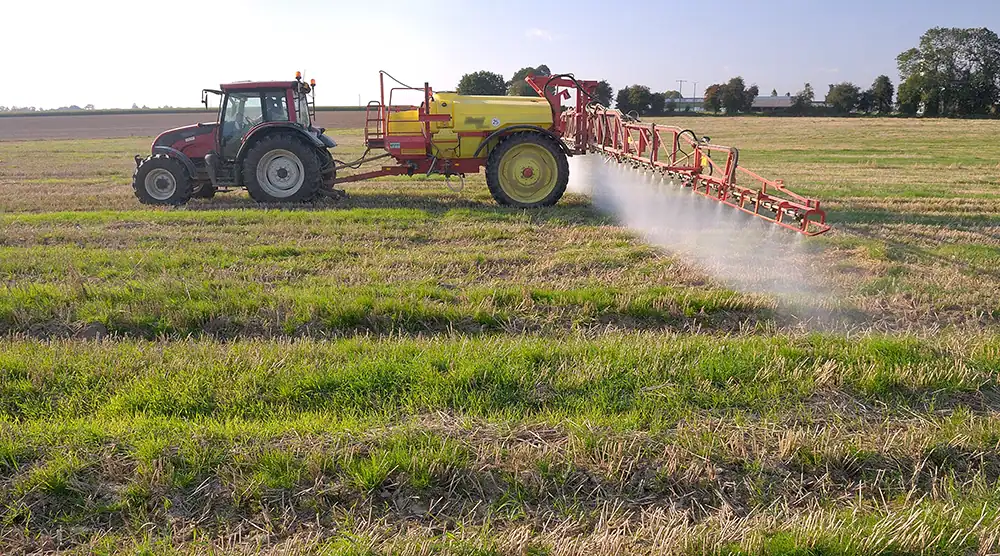
Glyphosate remains an essential tool for many regenerative farmers globally. At LENs, we are pleased that the majority of our crops do not receive a pre-harvest application, as this carries the highest risk of transfer into the human gut biome. We know our farmers are constantly seeking opportunities to reduce its use. Here are some of the most effective strategies I’ve been discussing with farmers this year:
- Water chemistry: hard water (high in calcium, magnesium, or iron) can “lock up” glyphosate, reducing efficacy by up to 30%. Optimising your water pH ensures the chemical works at full strength, reducing the risk of resistance.
- Biomass management: using livestock to graze down cover crops before application allows for a significantly lower dose.
- Species selection: including frost-sensitive species in cover crop mixes can allow nature to do the “termination” work for you.
- Buffering with humates: Adding humates to the mix can help support the soil fungi and bacteria that assist in breaking down residues.
- Cultural controls: traditional methods like delaying autumn drilling and increasing seed rates remain some of our best defences against weed pressure.
- Mechanical alternatives: at LAMMA this year, it was great to catch up with one of our LENs farmers, Luke Ashmore (Trucketts Hall Farm). Luke has used LENs funding to purchase a mechanical hoe from Treffler that has enabled his farm to trainsition to zero glyphosate across the 340ha farm. The technology is moving fast. We saw “Robocrop” systems working to 8mm accuracy using laser technology, proving that mechanical weeding is no longer the “blunt instrument” it once was.
- Inversion: We recognise that in some situations, inversion is the lowest-risk or only viable option. However, it is important to recognise the trade-offs and plan accordingly. Interesting research from Nottingham University (shared at Rootstock event in February) highlighted that while four years of a herbal ley significantly improves soil porosity, a single ploughing event can reset that porosity back to pre-ley levels. Watch the presentation on the research here (from 20 mins): Rootstock: Soil Health Study
As we learn more about how glyphosate affects microbiology versus how inversion affects soil structure, we can better plan the necessary remedial actions for each.
Our commitment
At LENs we remain committed to capital investment, innovation, trials, and the long-term health of your soil and the food you produce. We will continue to share research to help you make the best decisions for your soil.