Getting started in regenerative agriculture: the Regenified perspective
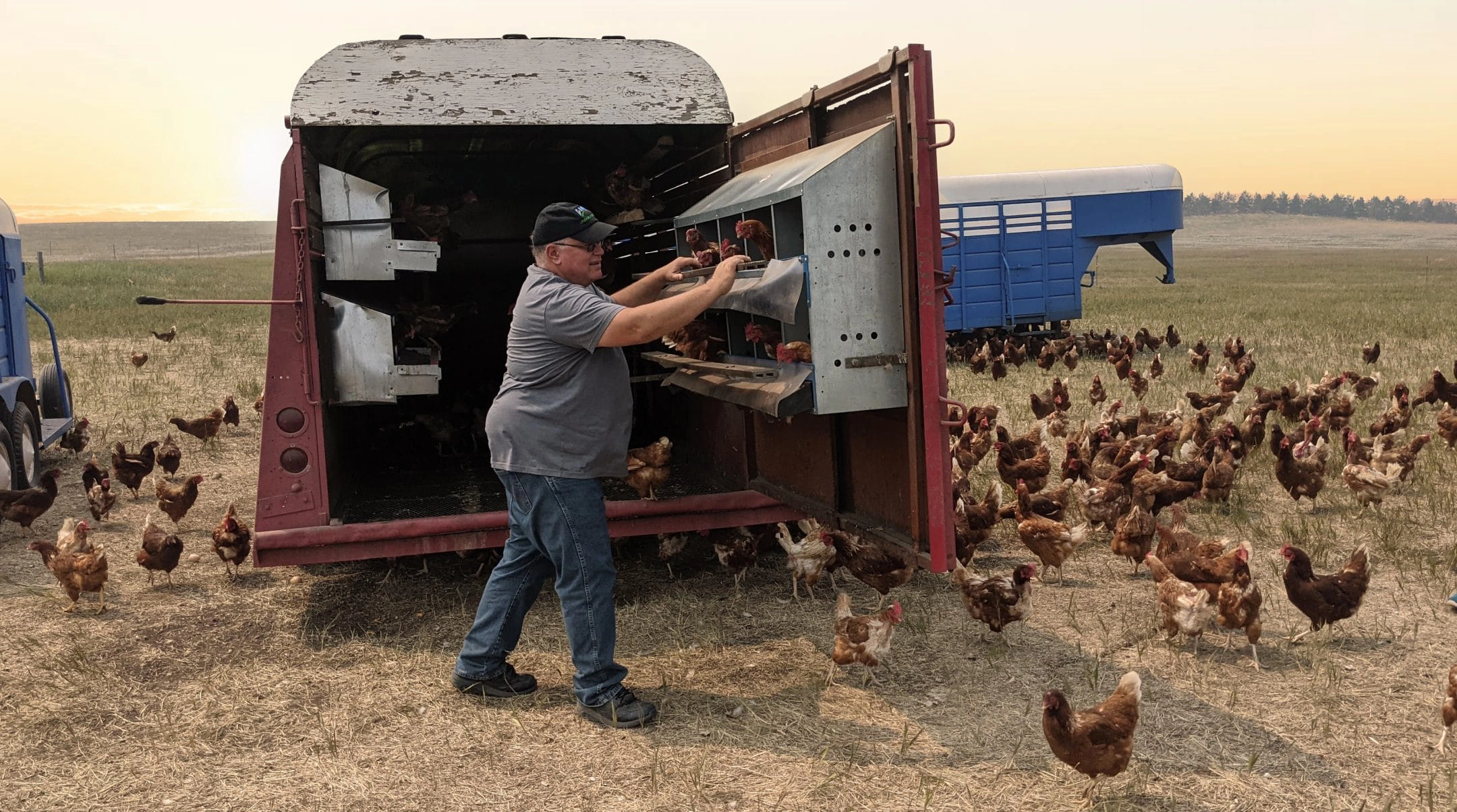
Gabe Brown, Co-Founder of Regenefied, a land verification and product certification programme for regenerative agriculture, has shared an insight into their 6-3-4 approach. This uses six principles of soil health, combined with three rules of adaptive stewardship for grazing, to drive the four ecosystem processes of energy, water and mineral cycling and diversity.
“The way we define regenerative agriculture is farming in synchrony with nature to repair, rebuild, revitalise and restore ecosystem function, beginning with all life in the soil and moving to all life above the soil,” says Gabe. “The true key is restoring the four ecosystem processes that are vital to any farm and its profitability.”
Gabe’s tips for getting started in regenerative agriculture
1. Have the right attitude and surround yourself with likeminded people
“You have to go into it with the attitude that you are willing to learn and you are going to succeed,” says Gabe. “You cannot implement what you do not understand. We need to take the time to educate ourselves. There’s not a day goes by that I don’t learn something new and it makes farming exciting.
“Surround yourself with likeminded people who are upbeat and have the same attitude and want to go down the same path and you’ll be a much happier person.”
2. Know your costs
“Unfortunately, most farmers do not know their true cost of production. If we’re really going to become regenerative, not only on our land but in our pockets, we need to know our cost of production,” says Gabe.
An understanding of how much you spend and make in relation to particular practices will give you a target for where to cut costs or which activities to favour over others. It will also help you track the financial benefits of adopting regenerative practices.
Analysis by Understanding Ag has shown significant reductions in the cost of inputs on 362 farms that they have worked with over five years.
At the same time, the farms showed substantial increases in soil organic matter and forage production.
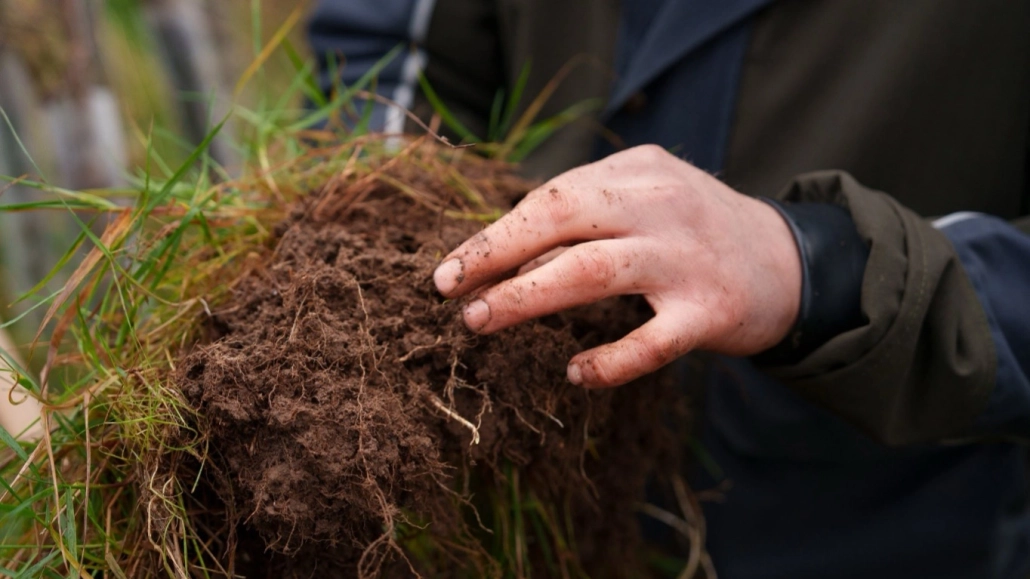
Increased organic matter in soil can help reduce input costs for farmers
Results for livestock farms included a 38% reduction in veterinary bills over five years, 40% fewer days using processed feed, a 35% increase in forage production and a 62% increase in organic matter. Results for arable farms included a 22% reduction in fuel use per acre over five years, 37% reduction in synthetic fertiliser applications and 38% reduction in manure applications.
“You must understand what your costs are and then keep on tracking these as you reduce inputs to identify what you can produce and sell most profitably,” says Gabe.
3. Carry out split test trials
“One of the best ways to start is by doing split trials of a field or a number of fields,” says Gabe. “In one half you can do the same thing you’ve always done but on the other half we can start implementing regenerative practices. Keep accurate records of all the data from those fields and you will begin to see how beneficial it is. I guarantee, long-term, the most profitable half will be the one where you’re using regenerative practices.”
4. Gradually reduce fertiliser, herbicide, insecticide and fungicide use
Understanding Ag’s 6-3-4 approach focuses on using free inputs of sunlight, rain and minerals in the earth rather than synthetic inputs. We’re not short of nutrients on our farms,” says Gabe. “We’re short of biology because it’s the biology that makes these nutrients available to the plants.
“Regenerative agriculture is about how we enhance the biological component on our farm to cycle these nutrients. I am not telling you that you should stop applying synthetic fertilisers or organic amendments. If you do that immediately, you’ll have a wreck. However, you can certainly start working towards that.

“Let’s try and work with nature rather than against it.”
“Regenerative agriculture’s focus on increasing biodiversity can also help increase natural predators to control pests. Why in agriculture do we spend all our time trying to kill pests, instead of spending our time providing the habitat for the beneficial species which will take care of the pest and which we don’t have to spend time and money on?
5. Turn waste into profit
“I really believe the way to generate large profit is by taking the waste stream from one enterprise to fuel the profit in another,” says Gabe.
For example, Gabe grows cover crop seed on his farm but uses the kernels and other leftovers from the cleaning process to feed his hens and pigs.
6. Spend time on marketing
“We’re seeing a lot of work now that is showing how products produced in healthy soil are significantly higher in vitamins, fatty acids and they’re lower in oxidative stress markers,” says Gabe. “This all represents opportunities to market your products. The greatest return on one’s time always has been, and always will be, marketing.
“There’s a real increasing awareness of the soil health, plant health, animal health, human health connection that’s leading to an increased demand.
“We like to tell our clients they should be spending a minimum of 35% of their time on marketing.
“I know most farmers do not like to market, but it will give you the greatest return of anything you do on your farm.”