Leven, Scotland
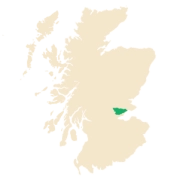
Scotland’s first LENs, now in its second year
The Leven region is one of the most agriculturally diverse areas in Scotland. The catchment boasts a mix of farms producing a wide range of products including crops, livestock, poultry, eggs, flowers, and even Christmas trees.
Several waterbodies in the region have conservation designations, including Loch Leven, which is recognised as a National Nature Reserve. Loch Leven is one of the most significant sites for waterfowl in Britain, hosting thousands of birds, particularly during migration periods. The loch and its surroundings also support a diverse range of flora and fauna, including rare and endangered species, making it a key area for ecological research and conservation efforts.
Leven LENs was scoped in 2024, and the first trade went live in spring 2025. It aims to preserve and enhance the Leven catchment’s natural assets, creating long-term investments to make the Leven landscape healthy and productive while benefitting the environment, boosting biodiversity and uplifting local communities.
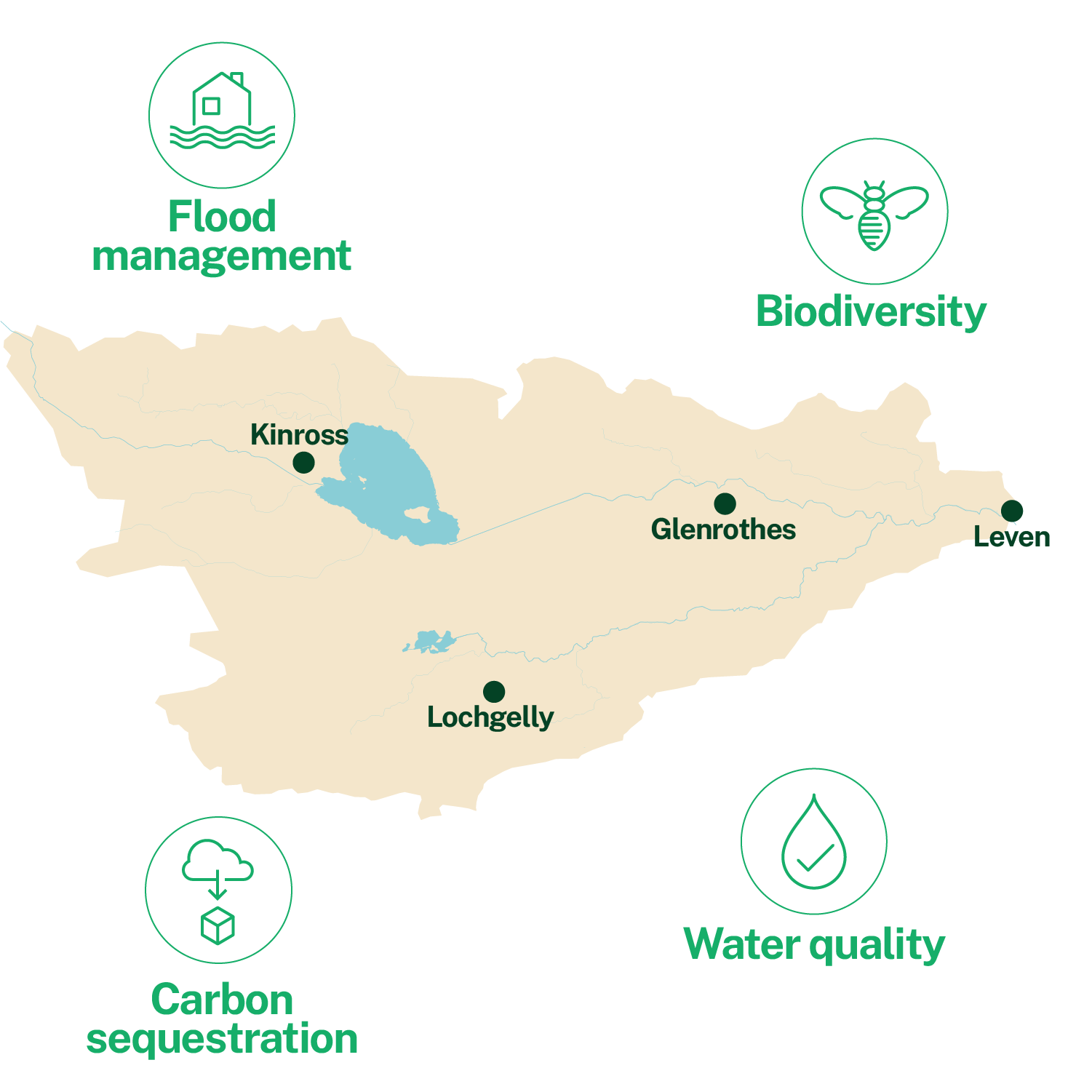
Leven LENs has brought together Diageo, SSEN-D and Perth and Kinross Council, identifying their shared commercial land management needs that would be difficult to tackle within their own supply chain in isolation. These include improving water quality; improving the resilience of crop production; meeting greenhouse gas emissions reduction targets; protecting nature & increasing biodiversity; mitigating flood risk; and protecting rivers and other bodies of water.
In 2025, 10 farms joined LENs and 626 hectares worth of measures were contracted to be implemented. These included:
Green manures: planting green manures can reduce nutrient loss, improve soil fertility, reduce nitrate leaching, improve soil structure, counteract compaction, and protect soils from erosion during winter. Green manures can also help with weed control, reducing the need for pesticides. Green manures offer greater scope to introduce seed mixes with multiple benefits and reduces the need for pesticides and fertiliser during the year.
Cover crops: planting cover crops in the autumn can reduce nutrient leaching and runoff by providing ground cover over the winter period to intercept and reduce the impact of rainfall, while accumulating and storing nitrogen in the cover crop, which would otherwise be leached from the soil into water courses. Cover crops can improve soil structure and counteract compaction, as well as protecting soils from erosion during winter. They can also help with weed control. The cover crop is destroyed in spring before planting the subsequent spring crop. Other benefits such as biodiversity improvements may also be provided by cover crops.
Reduced cultivation, combined with no till on an alternate basis, can retain soil surface organic matter, preserve fertility and reduce fuel and labour costs. It can also improve water infiltration rates. Its effectiveness depends on timing of cultivation, cultivation direction and how it is paired with other management practices.
Demonstration farms are an opportunity to test and trial new products, nature-based solutions and equipment to reduce carbon emissions, as well as enhance soil and water quality and increase biodiversity while improving or maintaining crop yield and quality. LENs farmers expand on and share good practice. This can help develop the confidence to try new innovations or practices by seeing them in comparable landscapes and discussing them with peers as part of a mixture of field days and meetings. Demonstration farms act as the base and focal point for a local group of farmers to discuss successes and failures, share knowledge and learn from adopted novel practical farming solutions.
This project is supported by NatureScot in collaboration with The Scottish Government through The Facility for Investment Ready Nature in Scotland (FIRNS).
To learn more or get involved, please use our contact form here
At a glance
Where Leven, Scotland
Who Diageo, Forth Rivers Trust, NatureScot, Heritage Lottery Fund, Lockett Agri-Environmental, Perth & Kinross Council, SRUC, Scottish Enterprise
What Water quality improvement, carbon sequestration, biodiversity, flood protection
Download the East of England factfile here for more information.
Key partners